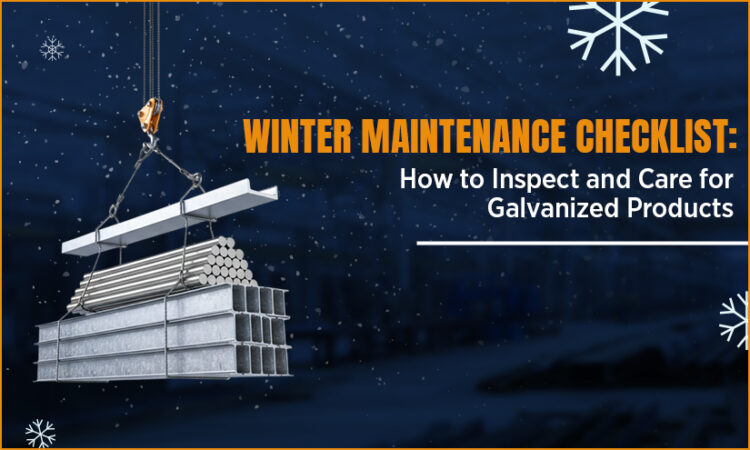
Winter Maintenance Checklist: How to Inspect and Care for Galvanized Products
Winter has its challenges in maintaining industrial and commercial infrastructure due to the unique conditions during this time. The low temperatures, moisture, fog, and condensation slowly alter the performance of exposed metal structures, most especially if their maintenance is forgotten. Fortunately, galvanized materials are designed for harsh weather conditions, with their protective galvanized zinc coating. Still, even the finest materials require periodic care.
The following winter maintenance checklist will help facility managers, contractors, and engineers in the inspection and maintenance of hot dip galvanized products for long service life, safety, and uninterrupted performance during the winter season.
Why Winter Maintenance Matters to Galvanized Products
Winter is a time of year when moisture takes longer to dry off from metal surfaces. While galvanized steel by nature is resistant to corrosion, seasonal factors such as cold winds, morning dew, and exposure to industrial pollutants tend to accelerate the wear and tear process. Regular inspections of components, including hot dip galvanized beams, hot dip galvanized channels, galvanized solar structures, GI handrails, and hot dip galvanized round pipes, prevent unexpected failures and extend product life.
Understanding Galvanization & Its Winter Performance
What is Galvanization?
Galvanization is a process by which a protective galvanized zinc coating is applied to the steel to prevent rust. This zinc barrier protects the underlying steel from moisture, snow, humidity, and chemicals that are so often found within the winter surroundings.
Types of Galvanization
Various methods exist in the industry, with varying levels of protection afforded. The most durable among them is hot dip galvanization, in which steel is dipped into molten zinc. This sets up a metallurgical bond between the steel and the coating, ideal for outdoor and industrial use.
Hot dip galvanizing solar structures, GI earthing plates, galvanized C channels or GI C channels, and GI round pipe are various products that have benefited greatly from the robust process.
Winter Maintenance Checklist for All Galvanized Products
A comprehensive winter inspection plan will keep your infrastructure strong and reliable. Below is an in-depth checklist you can use for a facility or project site:
1. Inspect Surface Coatings Before Winter Begins
Check the Galvanized Zinc Coating
Look for dull areas, discoloration, or any specific areas where the zinc barrier could have thinned. For products like GI plates, and that are directly exposed to the environment, extra attention is important.
Look for Peeling or Flaking
Although flaking is rare in properly galvanized steel, it may occur if the surface was contaminated before galvanizing. Early detection minimizes the spread of corrosion during winter.
2. Structural Examination of Industrial Galvanized Products
Inspect Cable Tray Systems
Galvanized Cable trays need to be carefully examined for deformation, trapped moisture, and mechanical damages.
Explore Components of Solar Structure
Ensure that in the industries dependent on renewable energy, gi structure for solar panels, hot dip galvanized solar structure, and mounting frames are stable, rust-free, and firmly anchored.
Check Handrails & Safety Rails
Check hot dip galvanized handrails or GI handrails for signs of mechanical wear. Public or industrial areas have higher usage during winter months.
4. Inspect Plates, Channels & Beams
Galvanized Plates & Sheets Check
Galvanized plates, gi plates, and shall be checked for edge corrosion, dents, and thickness of coating.
Galvanized Angles Review
Angles have a tendency to trap moisture at joints, ensure these areas stay dry and intact.
Inspect Channels & Strut Channels
Winter expansion and contraction stresses affect hot dip galvanized channels as well as Galvanized C channels. All fasteners and joints should be tightened
5. Winter Care for Earthing Products
Earthing systems are vital in the industrial setting
Inspect GI Earthing Plates
Check for soil settlement, exposure of rods, loosened clamps, and damaged coatings.
6. Inspect GI Round Pipes & Tubes in Winter
Temperature changes may cause condensation within and outside the pipes.
Ensure that there is no blockage, wear of coating, or structural distortion.
7. Tips for Winter Storage of Galvanized Products
If storing materials like Hot Dip GI structure, beams, channels, or plates:
- Keep them elevated from the ground
- Store in well-ventilated, dry areas
- Use spacers to avoid water retention
- Avoid storing near chemicals or salty areas.
- Correct storage avoids white rust and surface oxidation.
8. When to Re-Galvanize or Replace Your Product
Consider re-galvanizing if:
Coating thickness has decreased significantly or there are visible rust patches.
This product, being in use for more than a decade in severe climates, For large installations, the owner should contact a hot dip galvanizing plant or search for hot dip galvanizing near me to restore coating strength.
Why Choose Parco Engineers for Galvanized Products?
Parco Engineers is trusted across industries for offering top-quality hot dip galvanized products, including hot dip galvanized beams, hot dip galvanized channels, GI handrails, galvanized solar structures, earthing systems, galvanized plates, and fabrications in different industrial application areas. Our galvanizing processes, featuring the most up-to-date technology, ensure strong zinc adhesion for long-term durability and reliable performance in all seasons, especially winter. Whether it is an issue of new installations, replacement, or advice on winter maintenance, Parco Engineers can give full support.